.png)


10 Reasons Your Outdoor Pond Maintenance Isn't Working (And How to Fix It)
- Samantha Sroka
- Jan 19
- 5 min read
You've done everything right, or at least you thought you did. You set up your pond, bought the filters, added some beautiful koi, and even threw in a few water lilies for good measure. But here you are, staring at murky green water, wondering where it all went wrong.
Trust us, you're not alone. We get calls all the time from frustrated pond owners across Southern California who can't figure out why their outdoor pond maintenance routine just isn't cutting it. The good news? Most of these problems have straightforward fixes once you know what's actually going on.
Let's walk through the ten most common reasons your pond maintenance might be failing, and more importantly, how to turn things around.
1. Your Filtration System Is Undersized (or Just Plain Tired)
Here's the thing about filtration: what worked when your pond was new might not work anymore. Fish grow, waste accumulates, and suddenly that filter you installed three years ago is struggling to keep up.
Cloudy, brownish water is usually the first sign that your pump and filter system can't handle the load. This is especially true here in SoCal, where our warm temperatures mean fish are more active and producing more waste year-round.
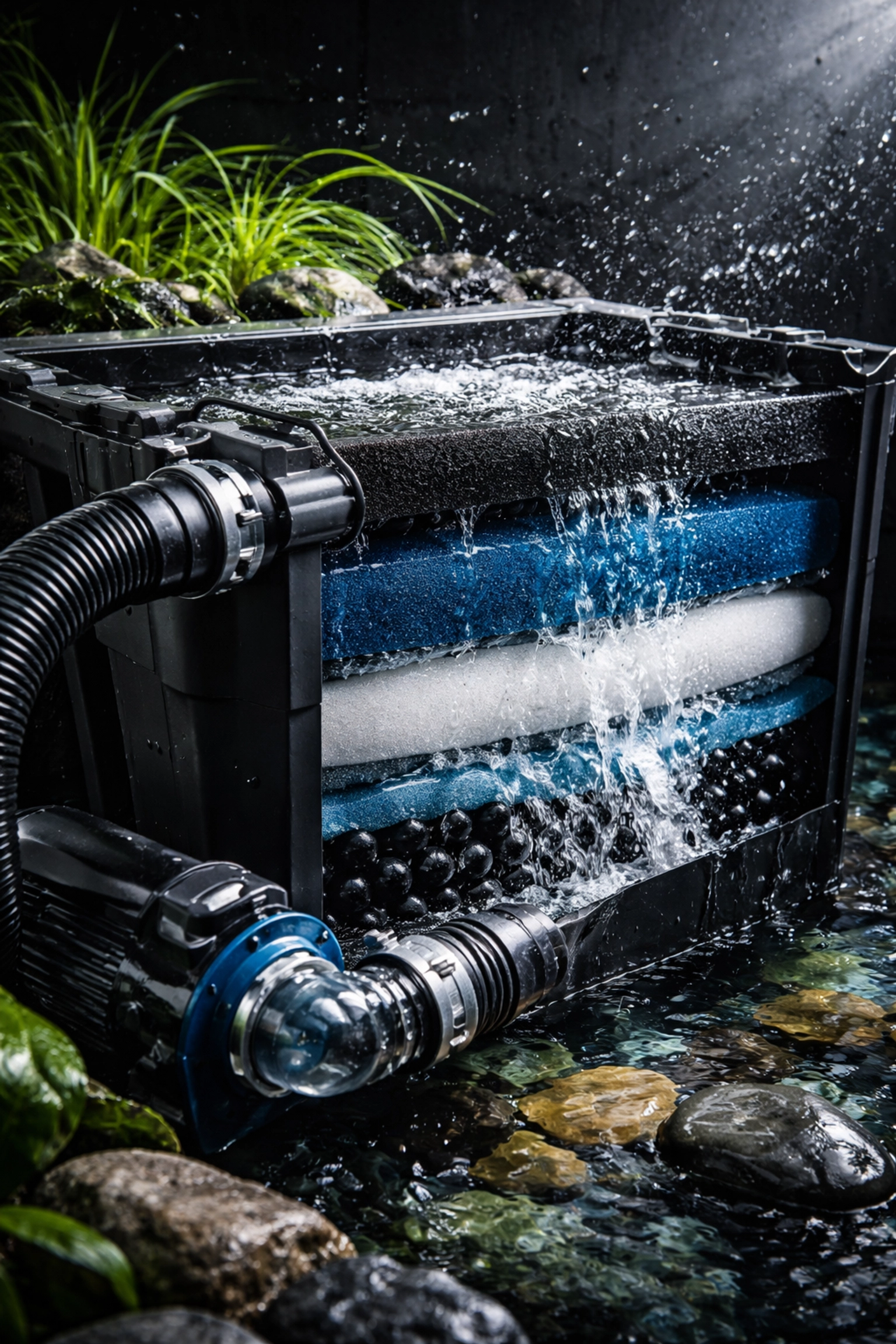
The fix: Clean those filter pads weekly, yes, weekly. Use layered foam media that goes from coarse to fine, and back-flush the whole system monthly with a hose. If you're still seeing issues, it might be time to upgrade to a more robust setup. We're always happy to take a look and give you an honest assessment.
2. Algae Has Taken Over
Ah, the dreaded green water. Nothing ruins that peaceful pond vibe quite like an algae bloom that makes your water look like pea soup.
Algae thrives when there are too many nutrients in the water and not enough competition. And let's be real: our Southern California sunshine is basically an all-you-can-eat buffet for algae. Those long, hot days we love? Algae loves them even more.
The fix: Aim to shade about 60% of your pond's surface. Water lilies are perfect for this, and they're gorgeous to boot. Adding submerged oxygenating plants like hornwort can also help out-compete algae for nutrients. Better water circulation through aeration breaks up the surface layers where algae like to party.
3. Clogged Pumps Are Killing Your Flow
We can't tell you how many times we've shown up to a pond emergency only to find that the pump intake is completely gunked up with debris. It happens to the best of us.
When debris clogs your intake screens and filter pads, water flow drops dramatically. Your pump has to work overtime, and your whole system suffers.
The fix: Wrap your pump cage in coarse pond sponge to catch debris before it reaches the impeller. Use mesh screens to intercept leaves, and make filter pad maintenance part of your weekly routine. A little prevention goes a long way.
4. Sludge Is Building Up on the Bottom
That dark, mucky layer at the bottom of your pond isn't just unsightly: it's actively harming your water quality. Decaying organic matter depletes oxygen levels and creates a hostile environment for your fish and the beneficial bacteria that keep everything in balance.
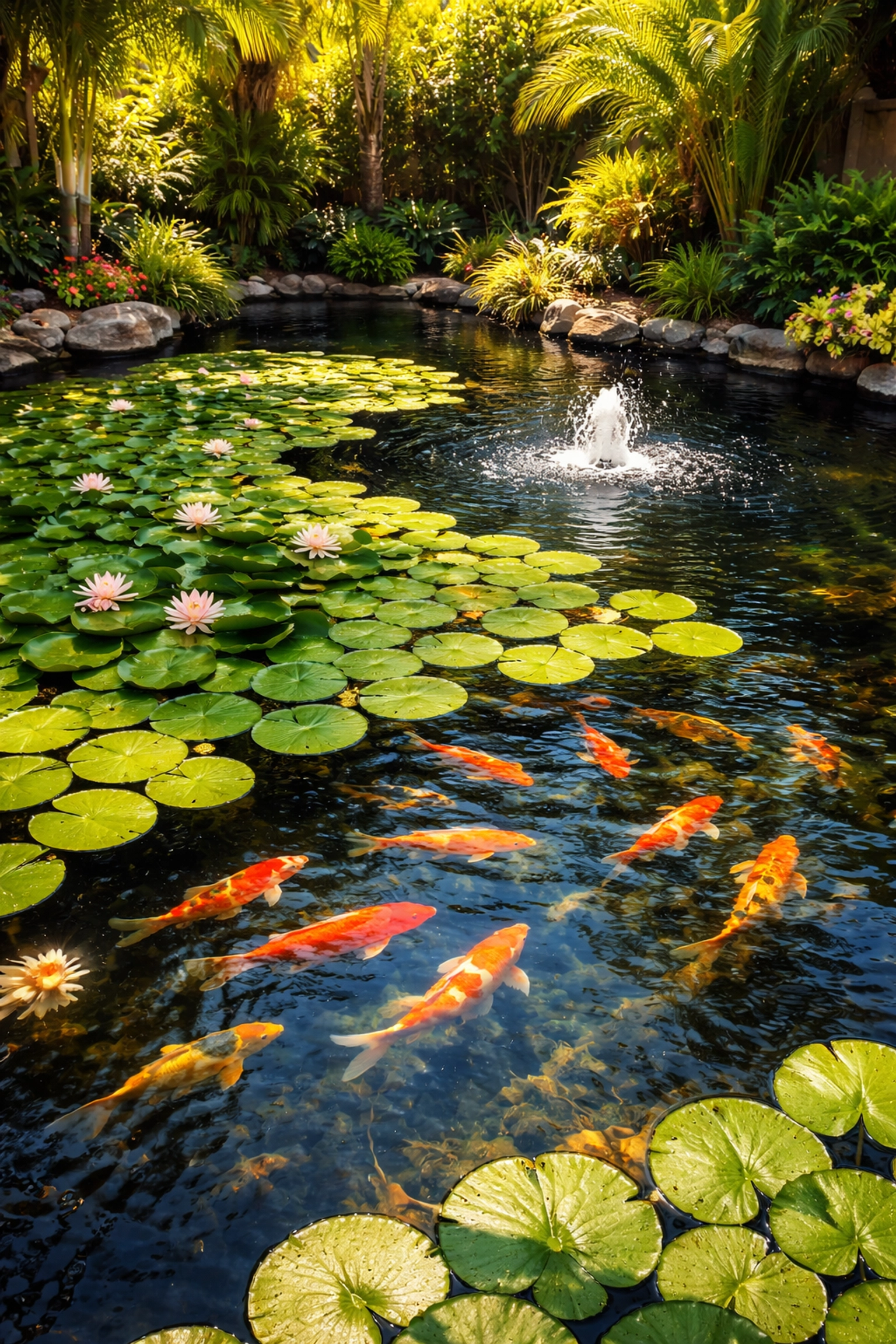
The fix: Get in there with a pond vacuum or net and remove that sludge regularly. Installing an aeration ring or even a simple solar fountain can boost dissolved oxygen levels and help break down organic matter before it becomes a problem.
5. Mysterious Foam Won't Go Away
If you're noticing persistent foam on your pond's surface, don't panic: it's usually not as scary as it looks. Protein foam typically comes from excess proteins released during fish spawning or from overfeeding.
The fix: Cut back on feeding by about 20% and see if that helps. Trim any dying plant leaves promptly since they contribute to the protein load. Aeration helps here too, breaking surface tension so those proteins oxidize instead of foaming up.
6. Debris Is Winning the Battle
Leaves, twigs, dead plant material: it all adds up fast. And once debris settles on your pond bottom, it starts decomposing and contributing to all those other problems we've been talking about.
This is a big one for our SoCal clients. We might not have fall leaf drop like other parts of the country, but we've got palm fronds, eucalyptus leaves, and all sorts of plant material that finds its way into ponds.
The fix: Skim your pond surface frequently. Nets work great for catching falling debris, or you can install an automatic pond skimmer if you want to take the manual labor out of it. Seasonal professional cleanups can also help you get ahead of accumulated material before it becomes overwhelming.
7. Your Water Level Keeps Dropping
If you're constantly topping off your pond, something's up. Some evaporation is normal: especially during our notorious SoCal heat waves: but significant water loss usually points to a leak.
The fix: First, monitor your levels during hot weather and top off as needed. That's just part of outdoor pond maintenance in our climate. But if you suspect a leak, turn off your pumps, mark the water line, and wait 24 hours. Where the water stops dropping is likely where your leak is. You can patch most liner holes with EPDM tape or a PVC patch kit. If that sounds intimidating, give us a call: we're available 24/7 for urgent pond issues and can help you track down the problem fast.
8. Plants Have Gone Wild
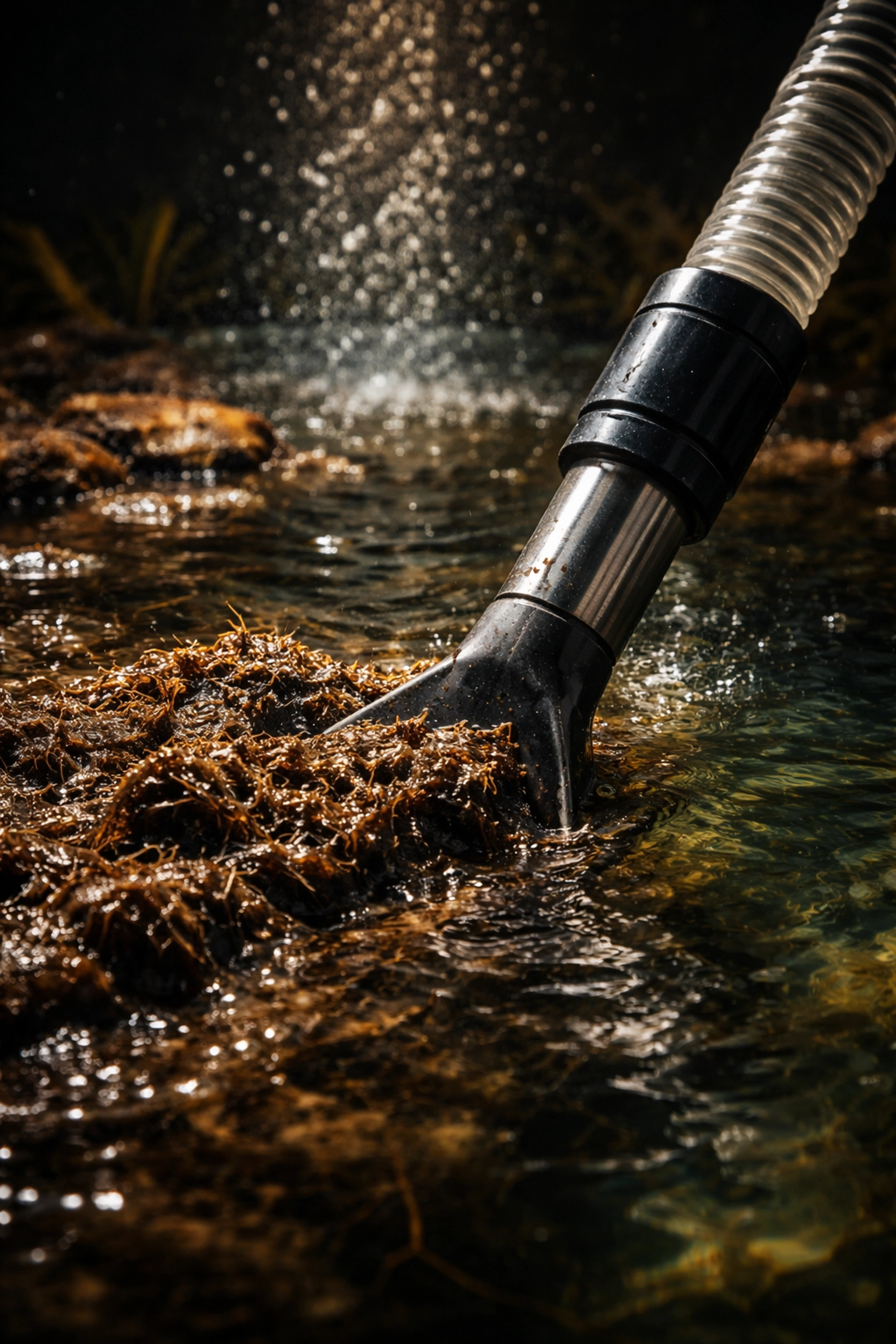
We love a lush, planted pond. But plants that were supposed to add beauty and help with water quality can quickly become a problem if they're not managed properly. Overgrown plants reduce water clarity, crowd out other species, and can even clog your filtration system.
The fix: Regular trimming is your friend here. Keep plants in check before they take over, and don't be afraid to remove invasive species entirely. Sometimes swapping out aggressive growers for slower-growing varieties makes ongoing maintenance much more manageable.
9. You're Overfeeding (or Overstocking)
This one's tough because we get it: feeding your fish is fun, and who doesn't want a pond full of beautiful koi? But too many fish or too much food creates a nutrient overload that your filtration system simply can't handle.
The fix: Be honest with yourself about your feeding habits. Fish need less food than most people think, especially in warmer weather when they're already finding plenty of natural food sources. Make sure your filtration is appropriately sized for your actual fish population, and resist the urge to keep adding more fish to an already-stocked pond.
10. Equipment Maintenance Has Fallen Off Your Radar
Life gets busy. We totally understand. But when regular equipment maintenance slides, small issues have a way of snowballing into major: and expensive: failures.
The fix: Set up a regular inspection and maintenance schedule. Clean filters, check pumps, inspect your liner for damage, and make sure you're restarting equipment correctly after any seasonal breaks. A little consistency now prevents a lot of headaches later.
When DIY Isn't Cutting It
Look, we're all for empowering pond owners to handle their own outdoor pond maintenance. But sometimes life gets in the way, or the problems stack up faster than you can solve them. That's especially true here in Southern California, where our intense sun and heat can accelerate pond issues that might take months to develop in milder climates.
If you're feeling overwhelmed, or you've tried everything on this list and your pond still isn't cooperating, a professional pond maintenance service might be exactly what you need. We offer pond build consultations for new projects and ongoing maintenance for existing ponds.
And remember: pond emergencies don't always happen during business hours. That's why we're available 24/7 for urgent issues. Whether it's a major leak, a pump failure, or fish in distress, you can reach out to us anytime.
Your pond should be a source of joy, not stress. With the right maintenance approach: and a little help when you need it( that's exactly what it can be.)


Comments